




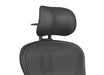
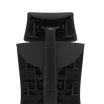
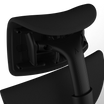
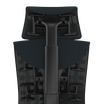
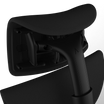
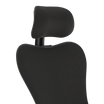
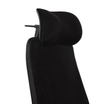


You’ve already spent a serious amount of money on a premium ergonomic chair. So when an accessory costs another $170 or $200, it’s fair to ask: do you really need it? A headrest isn’t essential to every chair setup, and how much value it adds depends on how you prefer to sit and use your chair. Some Atlas owners use their headrest for support throughout long workdays, while others appreciate it most when reclining, gaming, reading, or watching something.
That’s where adjustability matters. Atlas Headrests are designed for specific chair models and offer height, depth, and angle adjustment, allowing you to position the headrest around your body and preferred posture.
So, is Atlas Headrest worth the investment?
It depends on what you want from your chair. Here’s what to consider before buying one.
Who Is Atlas Headrest Best For?
Think about how you actually use your chair throughout the day.
Maybe you prefer light head and neck support while working upright. Maybe you lean back during calls or between meetings. Or perhaps the same chair takes you from a full workday into an evening of gaming or watching something.
Atlas Headrests can be adjusted vertically, forward and backward, and by angle, giving you flexibility to position the support where it feels best as your posture and activities change.
That flexibility can be especially useful if you spend several hours in your chair but don’t stay in one position all day. Some owners prefer support while working upright, while others adjust the headrest as they move between work, reading, gaming, or reclining.
For one Leap V2 owner, the value showed up during the workday itself:
“Excellent quality and very comfortable. The headrest matches the Leap V2 perfectly and provides great neck support during long working hours.”
That experience is a good example of why the value of a headrest can be personal. For some owners, it becomes part of their everyday working setup, while others appreciate it most when they change positions or lean back.
The headrest can also appeal to someone who cares about how a premium chair looks. Atlas makes model-specific headrests rather than a universal accessory, and the materials and finishes are selected to complement compatible chairs.
Who Might Not Need an Atlas Headrest?
There’s no reason to add a headrest simply because your chair can accommodate one.
If you’ve never felt like your chair is missing head or neck support, you may not get enough additional value from a headrest to justify the expense.
That’s worth saying because a good ergonomic chair can already be comfortable without one. A headrest makes the most sense when it adds something you personally want from your setup, whether that’s support during upright work, reclining, long working hours, gaming, reading, or simply changing positions throughout the day.
If you’re still unsure which model fits your chair, Atlas Headrest Finder can help you identify the right option before you buy.
The Pros

It’s made for the chair
Atlas headrests are designed around individual chair models. That means the fit, attachment points, movement, and appearance are considered as part of the specific chair rather than being left to a one-size-fits-all design.
That model-specific approach is particularly useful if you’ve invested in a premium chair and don’t want an accessory that looks like it was added as an afterthought.
One owner initially had exactly that concern. They were hesitant about putting a third-party accessory on their chair but changed their mind after installation.
“Herman Miller Level Quality
I was concerned about adding a 3rd party add-on to my chair, but installation was super easy and it looks 100% as if it belongs to the chair.
Adjustment options are great as well - just 5/5 product, well worth the money.”
You can actually adjust it
A fixed headrest gives you one position. Atlas gives you room to fine-tune the setup.
Move it higher or lower. Bring it closer or move it farther back. Change the angle to suit your preferred headrest position. Once you’ve dialed in the tension to your preference, you can reposition the headrest without continually retightening the adjustment points.
That matters because your preferred position while typing isn’t necessarily the same one you’ll want while reading, watching something, or reclining.
One Aeron Classic chair owner particularly appreciated this flexibility, noting that the headrest stayed in place once they had dialed it in. They also found it useful when leaning back during calls or taking short breaks between meetings.
“I didn’t realize how much I was missing a headrest until I added the Atlas Headrest to my Herman Miller Aeron Classic. The difference is immediate. It completely elevates the chair from “already great” to genuinely perfect for long workdays.
The build quality is outstanding and matches the Aeron almost seamlessly. It looks like it was designed by Herman Miller themselves. Installation was quick and straightforward, and the adjustability is exactly what you want. It actually stays in place once you dial it in, which is huge.
The biggest win for me is the support. Whether I’m leaning back on calls or just taking a quick break between meetings, it takes pressure off my neck and upper back in a way I didn’t realize I needed. No more awkward posture or trying to “hover” my head comfortably.
If you have an Aeron Classic, this is one of those upgrades that feels like it should have come standard. Worth every penny.”
It looks like it belongs there
This comes up repeatedly in the owner feedback.
People who buy premium chairs often care about more than function. They’ve paid attention to the chair’s materials, finish, and design, so a headrest that looks obviously aftermarket can be difficult to justify.
Atlas’s model-specific approach helps here.
One Embody owner was particularly impressed by how closely the headrest matched the chair’s original design and materials:
“So exacting close to the Embody's original materials, you would think that Herman Miller made it. Easy to assemble. Works wonderfully. Best headrest for the Embody out there. Worth every penny. Happy I pulled the trigger and purchased it.”
That consistency matters. You’re adding a functional accessory without making the chair look like it was added as an afterthought.
Installation is straightforward
Adding an accessory to an expensive chair can sound more complicated than it actually is.
Atlas provides the hardware and tools needed for installation, along with model-specific instructions.
Several owners specifically mention how simple the installation process was. An Aeron Classic owner described installation as “quick and straightforward,” while an Embody owner said their headrest was “easy to assemble.”
For anyone concerned about modifying a premium chair, those experiences are reassuring.
The Cons

It adds to the cost of an already expensive chair
This is the obvious one.
Atlas isn’t competing with inexpensive universal headrests. Its products sit firmly in the premium-accessory category, with different models and configurations carrying different prices.
That can make the purchase difficult to justify if you’re not sure how often you’ll use the headrest.
Some owners acknowledge the price directly but ultimately feel the headrest justifies the investment. One Fern owner put it simply:
“Worth every penny! Very comfortable, 10/10.”
That’s ultimately the calculation each owner has to make. You’re paying for a purpose-built accessory designed around a particular chair, rather than simply adding a generic cushion to the back.
The value depends heavily on whether those differences matter to you.
You may need some time to find your position
Adjustability is useful, but it also means there isn’t necessarily one perfect setting straight out of the box.
Start by adjusting the height, depth, angle, and tension until the headrest feels comfortable and moves the way you want it to. It may take a little trial and error to find your preferred setup.
That process shouldn’t take long, but don’t expect to install the headrest and immediately know exactly where you want it.
The upside is that once you’ve dialed it in, you have the flexibility to position the headrest where it feels best for you.
Compatibility matters
An Atlas headrest isn’t a universal fit. Each model is designed around a particular chair, so checking compatibility before ordering is important.
This is particularly relevant if you have an older version of a chair or one of several different configurations.
Atlas provides compatibility information and a product information knowledge base, so it’s worth checking your exact chair before making a purchase.
What Do Atlas Owners Say?
Owner feedback shows that people find value in an Atlas Headrest for different reasons. Support during long workdays, adjustability across different sitting positions, build quality, chair-specific fit, and how closely the headrest matches the original chair all come up in customer reviews.
One Leap V2 owner appreciated the support across different sitting positions and ultimately felt the headrest justified the additional cost:
“The neck support is awesome in ANY posture. It’s really great, nothing like the flimsy generic ones. An expensive add on to an already expensive chair, but totally worth it.”
Aeron Classic reviews point to another use case. One owner said the headrest made a noticeable difference during long workdays, particularly when leaning back during calls or taking short breaks between meetings. They also praised how closely it matched the Aeron and how well the adjustment system held its position.
“The biggest win for me is the support.”
Appearance is another recurring theme. One owner described the product as looking as though it had been designed by Herman Miller, while another said the fabric and metal finish matched their chair perfectly.
Price comes up in owner feedback too. Atlas is a premium purchase, and some customers acknowledge the added cost while still feeling that the support, quality, fit, and adjustability justify the investment.
That range of feedback is more useful than simply saying the reviews are positive. What makes the headrest worthwhile isn't exactly the same for every owner. Some value the support during long working hours, some appreciate being able to use it across different sitting positions, and others particularly value the build quality and how naturally it integrates with their chair.
The common thread is that the headrest adds something meaningful to the way they already use their chair.
So, Is Atlas Headrest Worth It?
For the right chair owner, yes. How much value an Atlas Headrest adds depends on how you use your chair and what you want from it.
For some owners, the biggest benefit is having additional support during long working hours. Others appreciate it most when reclining, gaming, reading, or watching something. And for people who move between different positions throughout the day, the adjustability allows the headrest to move with them.
There is still a real cost to consider. Atlas Headrests are premium, chair-specific accessories, and if you’ve never felt like your chair is missing head or neck support, you may decide the upgrade isn’t necessary.
But owner feedback shows why many people do find the investment worthwhile: comfortable support, adjustability, build quality, chair-specific fit, and a design that looks like it belongs on the chair.
Ultimately, the value comes down to whether those things would make a meaningful difference in the way you use your chair. If they would, an Atlas Headrest can be a worthwhile addition to a chair you already plan to use for years.