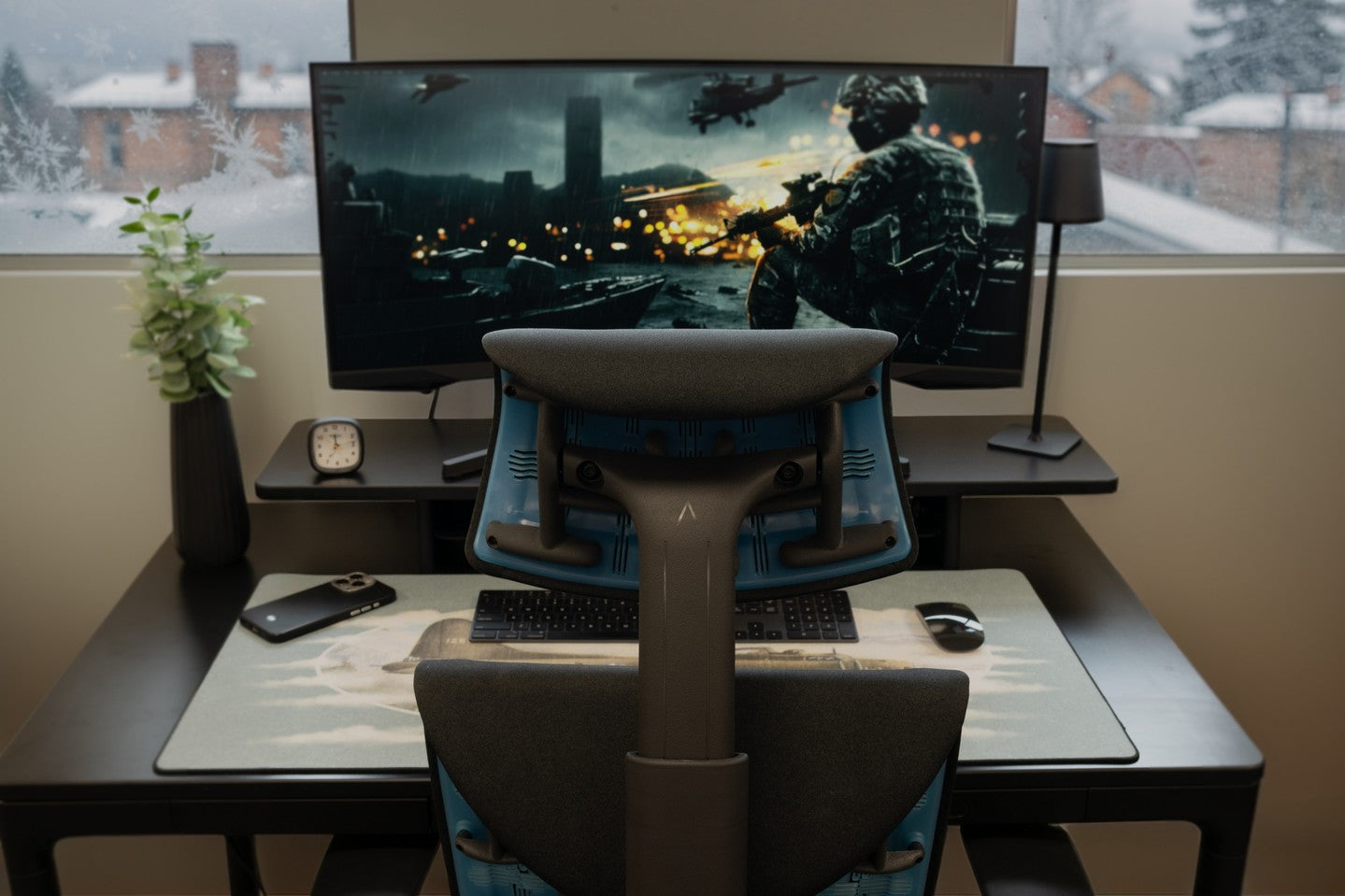



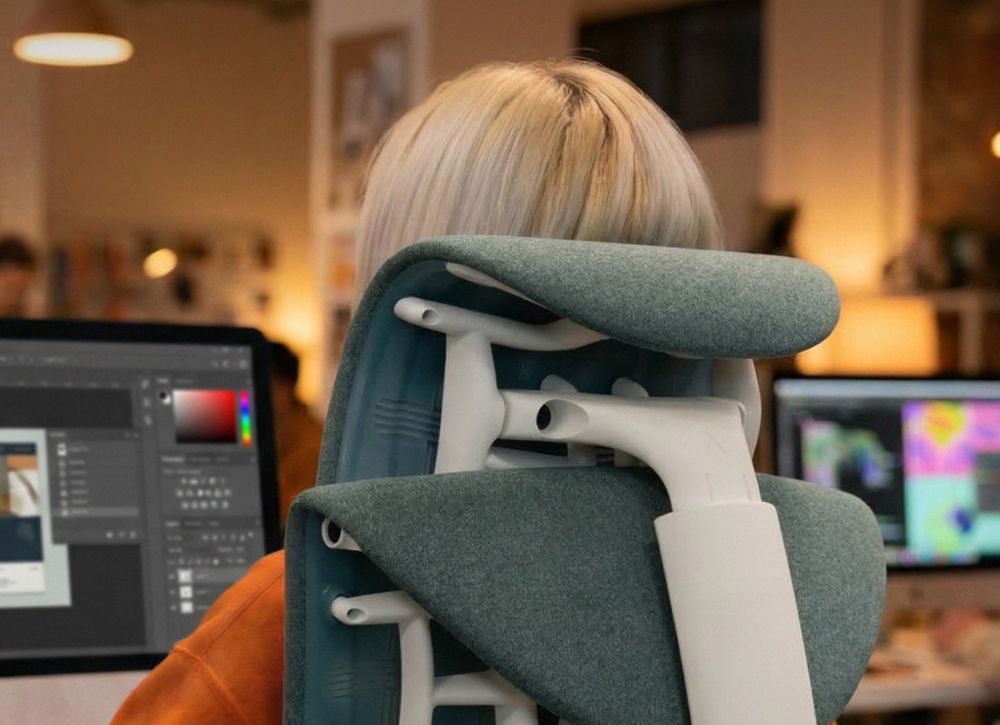
You don't notice your neck working until the third hour of a deep-focus block or a long-ranked session. By then, the damage to your stamina, precision, and posture is already underway.
Most people treat a headrest as a nice-to-have, something a chair either happens to include or doesn't. The reality is closer to this: your head is the heaviest single object your spine has to support all day. Almost nothing in a standard chair is designed to carry that load for you.
This blog breaks down exactly what unsupported head and neck strain costs you during long sessions and how it affects your focus and reaction time. We’ll also cover how it compounds into long-term postural damage, and what real head support needs to look like to actually fix it.
1. Head Support Reduces the Hidden Load on Your Neck
Your head weighs 10–12 pounds in a neutral position. Lean forward just 15 degrees, something every focused gamer or professional does instinctively, and that effective load on your cervical spine jumps to about 27 pounds. At 30 degrees, it reaches around 40 pounds, and at 45 degrees, a common laptop-viewing angle, it climbs to nearly 49 pounds.
During long sessions, your neck muscles are essentially holding up a small child's weight for hours without relief. Without proper head support, those muscles fatigue quickly. The result: stiffness, tension headaches, and reduced stamina that quietly erode your performance long before you consciously feel "tired."
2. Head Support Helps Maintain Consistent Reaction Time
Neck fatigue doesn't stay isolated. It travels through the kinetic chain, shoulders, arms, and hands, subtly slowing your fine motor precision. Many serious gamers notice their aim feels crisp early in a session but becomes less responsive later.
That late-session drop-off is often physical, not mental. The same pattern shows up in deep work: sharp focus in the first hour of a task, noticeably more friction by hour three. Proper head support allows your neck muscles to rest during natural breaks and reclined moments, preserving cognitive bandwidth.
3. It Prevents Gamer's Neck and Long-Term Postural Strain
Forward head posture, commonly called "gamer's neck" or "tech neck," develops when the head stays pushed forward for extended periods. Over time, it creates muscle imbalances: tight chest and front-neck muscles paired with weakened upper back muscles that struggle to pull the head back into alignment.
The data on this is hard to ignore. Research on electronic gamers has found forward head posture in more than half of female mobile gamers and roughly 44% of male mobile gamers, with the large majority of affected players logging more than three hours of daily screen time.
Separate research has found that gaming more than three hours a day increases the odds of developing a musculoskeletal disorder by more than fivefold. Proper head support doesn't undo years of bad posture overnight, but it removes the daily mechanism that creates it.
4. It Supports Recovery During Natural Reclined Moments

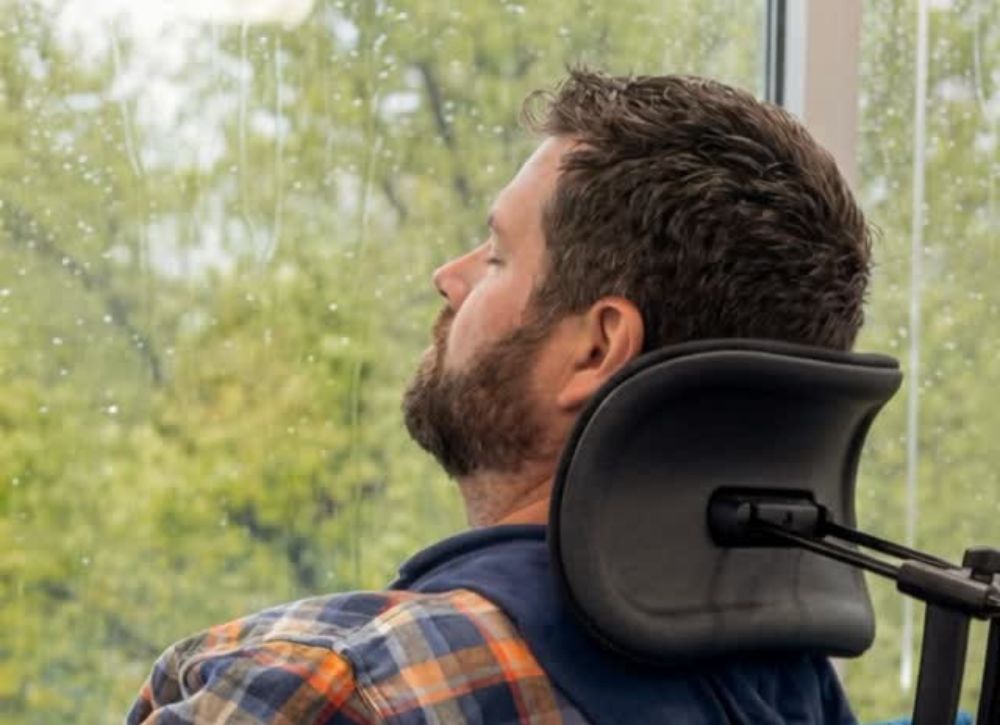
A well-designed headrest is there when your body naturally wants support, not as something you constantly lean against. During long work sessions or gaming, we naturally shift between focused work, reviewing information, thinking, watching, and brief moments of recovery. Those are the moments when passive neck support can make the biggest difference.
A well-designed headrest provides that recovery window without forcing constant contact. It lets you lean back naturally while keeping your spine aligned, so the muscles that were just doing isometric work for an hour actually get a chance to release.
5. Head Support Lowers Your Risk of Tension Headaches
Sustained muscle engagement in the neck and upper shoulders is one of the most common triggers for tension headaches that build gradually through a session rather than appear all at once.
Forward head posture also restricts blood flow through the neck, which shows up less dramatically than pain but just as disruptively as fatigue, reduced alertness, and the kind of mid-session mental fog that has nothing to do with how much sleep you got the night before.
Head Support Matters More Now
This isn't a problem that existed in quite the same way a decade ago. The average employee now spends more than 11 hours a week in meetings, and the volume of video meetings has roughly tripled since 2020.
Today's work is defined by longer, uninterrupted sessions. We move between deep focus, virtual meetings, reviewing information, and multiple screens, often staying in the same chair for hours before standing up. Gaming has followed the same trend, with many players logging several hours of continuous play in a single session.
Most ergonomic chairs were designed for a workday that involved more frequent movement and shorter periods of continuous sitting. The longer a session lasts, the more noticeable the absence of dedicated head and neck support becomes.
What "Proper" Head Support Actually Looks Like

- Contact Point
It should cradle the base of the skull (the occipital bone), not press into the mid-neck or push the chin toward the chest.
- Adjustability
Height, depth, and angle adjustments are essential for fitting your unique body proportions and specific recline posture. A fixed pad rarely lines up correctly for more than a narrow range of body types.
- Purpose
Support should engage during rest and reclined moments, not fight against you during active, upright focus. The goal is a recovery window, not a constant brace.
- Material
Breathable mesh keeps long sessions cooler; padded fabric cradles the head more softly but runs warmer. Neither is "correct"; it's a trade-off based on how long and how warm your sessions tend to run.
- Range of Motion
The headrest should move with your recline, not force your head into one fixed angle, regardless of how far back you lean.
Get any one of these wrong and a headrest stops being recovery support and starts being a new source of strain, which is exactly why so many people try a headrest once, dismiss it, and never revisit the idea even though the underlying problem never went away.
Wondering if the right chair can actually make a difference? Read How the Right Gaming Chair Can Improve Your Reaction Time and find out your answers.
Conclusion
Head support isn't a comfort upgrade; it's the difference between a neck that recovers between sessions and one that's quietly accumulating strain, headaches, and lost precision.
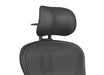
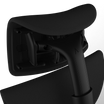
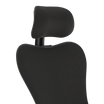
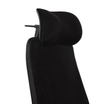
If you've been treating your headrest as optional, the math on what your neck is actually carrying says otherwise. Explore our Atlas Headrest's Embody chair collection and give your sessions the recovery window your neck has been missing.
Your head carries the session. Give it the support it deserves.